Skip to content
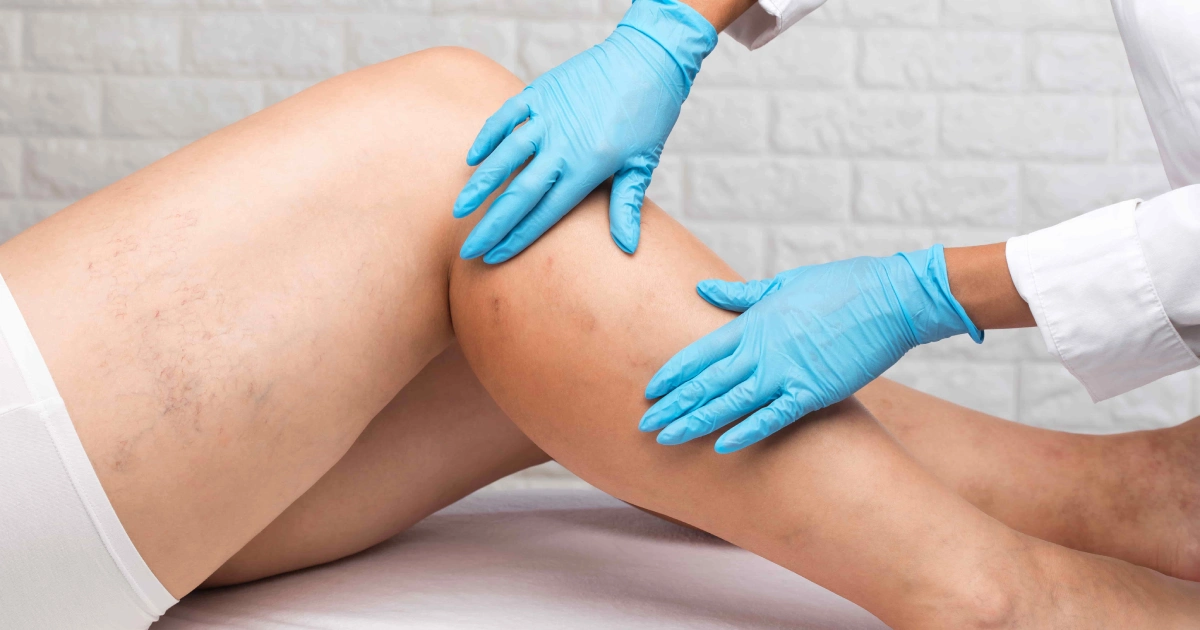
Table of Contents
Red patches on the cheeks that never fade, tiny spider veins on the nose, and unpredictable flushing can make people feel self-conscious about their skin. Even with makeup, the redness often shows through.
Many topical treatments claim to help, but most only offer temporary relief. Creams and serums may reduce inflammation for a short time, but they do not treat the blood vessels that cause redness. It can be frustrating when over-the-counter options do not work.
Vascular Lesion Reduction takes a different approach. At Century Medical Services, this treatment focuses on the root cause instead of just covering up symptoms. Learning how laser vein removal works at the cellular level helps explain why it is more effective than topical products.
Understanding Vascular Lesions and Why They Appear
Vascular lesions are visible blood vessels or red areas caused by widened or damaged capillaries close to the skin’s surface. Examples include spider veins, broken capillaries, redness from rosacea, and facial flushing. They can develop due to genetics, sun exposure, hormones, aging, or certain health conditions.
Pigmentation issues are closer to the skin’s surface, but vascular lesions involve deeper blood vessels. This is why topical products usually do not help much. Effective treatment needs to reach the blood vessels without harming the surrounding skin.
How Vascular Lesion Reduction Treatments Target Blood Vessels
Modern vascular lesion reduction relies on light-based technology designed to selectively target hemoglobin, the pigment found in blood. Devices used for laser vein removal and IPL vascular therapy emit controlled energy that passes through the skin and is absorbed by the targeted blood vessel.
When the blood vessel absorbs the energy, it heats up and collapses. The body then reabsorbs the treated vessel over time, so redness or visible veins fade gradually. The surrounding skin is not affected because it does not absorb the same energy.
This selective approach is what makes today’s non-invasive vein treatment options both effective and well-tolerated.
Technologies Commonly Used in Vein Reduction Procedures
Different vascular issues respond better to certain technologies, so having a consultation is important. Treatment options may include:
- Laser-based systems, often using Nd:YAG lasers, which penetrate deeper and work well for stubborn or thicker vessels
- IPL vascular therapy, which uses broad-spectrum light and is often effective for diffuse redness and flushing
- Combination approaches when multiple types of lesions are present
Providers offering vascular lesion reduction services in Forest Hill, NY often customize treatment settings based on skin tone, vessel depth, and the specific concern being treated.
Benefits of Vascular Lesion Reduction
Vascular lesion treatments offer more than just cosmetic benefits. Many people feel emotionally relieved when redness or visible veins are no longer the main focus of their appearance.
Key benefits often include:
- Reduced facial redness and flushing that feels difficult to control
- Diminished appearance of spider veins and broken capillaries
- A more even, balanced skin tone
- Minimal recovery time compared to surgical options
- Improved confidence without relying on heavy makeup
For individuals seeking spider vein treatment or facial redness reduction, these treatments provide targeted results that topical solutions cannot achieve.
Who Is Vascular Lesion Reduction Best For?
Vascular lesion reduction helps many people, especially those with visible blood vessels or ongoing redness that does not improve with skincare products.
Ideal candidates often include:
- Individuals with facial redness, rosacea, or frequent flushing
- People bothered by broken capillaries or spider veins on the face
- Those seeking a non-invasive option with little disruption to daily life
- Patients with realistic expectations about gradual improvement
Skin tone, medical history, and the type of vascular issue all affect whether this treatment is right for you. A professional consultation can help decide if the vein reduction procedure matches your goals. Contact Century Medical Services to talk about options and what results to expect.
The Treatment Experience from Consultation to Results
Initial consultation involves examining the skin to identify vascular lesions requiring treatment. The provider assesses color, size, depth, and distribution of visible vessels. Discussion of medical history, medications, and previous treatments helps determine the appropriate approach.
Before treatment:
Avoiding sun exposure for several weeks beforehand is crucial. Tanned skin increases complication risk. Certain medications and supplements that thin blood should be stopped temporarily. Arrive with clean skin, no makeup or skincare products.
During the session:
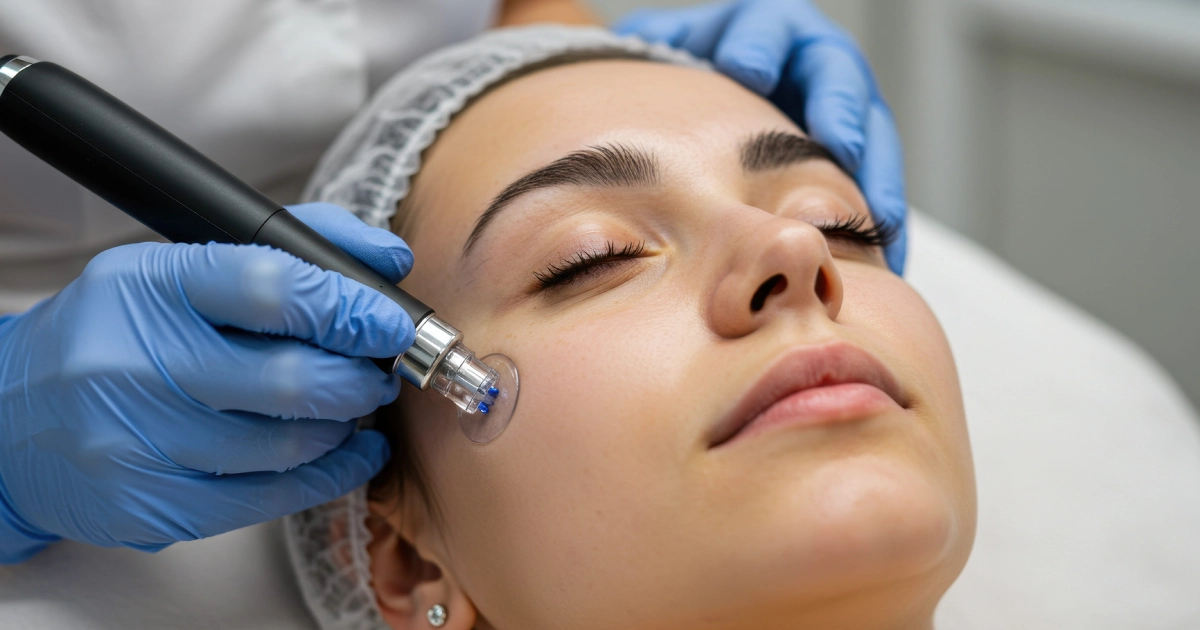
Protective eyewear shields the eyes from laser light. The provider moves the laser handpiece systematically across treatment areas. Each pulse feels like a brief warm snap against the skin. The built-in cooling system keeps the surface comfortable while deeper tissue heats. Most people tolerate treatment well without numbing, though a topical anesthetic is available for sensitive individuals.
Sessions usually last 30 to 60 minutes, depending on the size of the area being treated. Larger areas with more redness take longer than small spots with spider veins.
Immediately after:
Treated areas look red or slightly swollen, similar to mild sunburn. This typically resolves within hours to a couple of days. Applying cold compresses helps reduce any discomfort. Normal activities resume right away.
Results timeline:
Treated vessels begin fading within 1-2 weeks as the body reabsorbs them. Improvement continues over 4-6 weeks following each session. Most people need 2-4 sessions spaced 4-6 weeks apart for optimal reduction. Maintenance treatments every 1-2 years help manage new vessel development.
Clear Skin Starts with the Right Technology
Visible vascular lesions don’t have to be permanent features. Modern laser technology provides effective treatment that addresses the actual blood vessels causing redness, flushing, and spider veins. The science behind selective photothermolysis means targeting problem structures while leaving healthy tissue unaffected.
Understanding how the treatment works removes the mystery and helps set realistic expectations. Changes develop gradually as the body processes treated vessels. Results look natural because the improvement comes from eliminating actual vascular problems rather than covering symptoms.
Learn what this treatment can realistically achieve for specific concerns. Schedule a consultation to explore vascular lesion reduction.